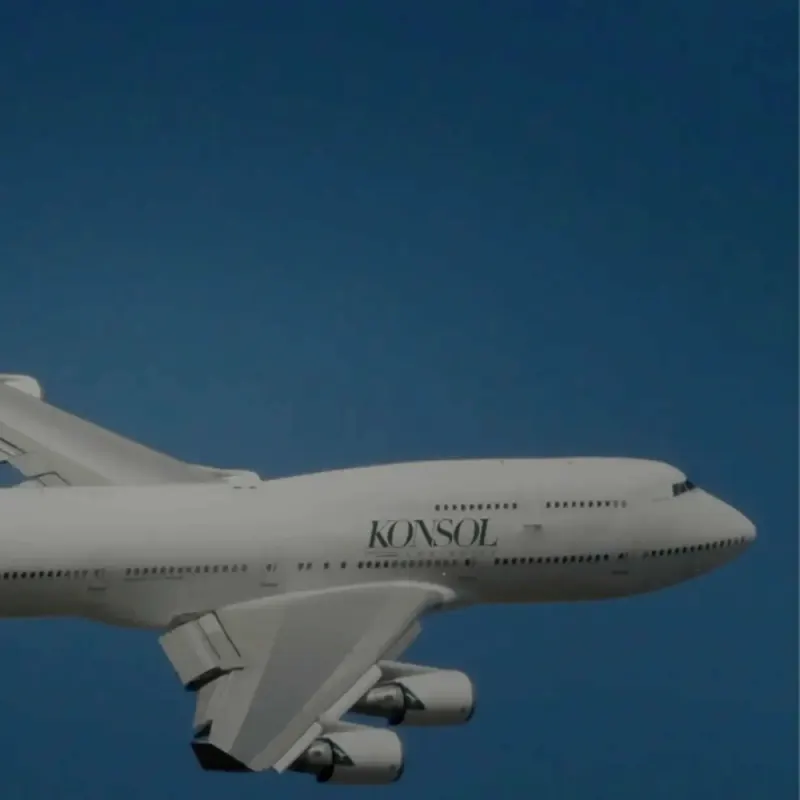
On an aircraft it is not only weight that is limited, but space too, so two weights are calculated. Actual (gross) weight comes from the scale. Volumetric weight comes from the carton dimensions: length × width × height in centimetres, divided by 6000. That divisor is the common standard in air cargo, though some express services use a different one. The larger of the two becomes the chargeable weight.
Take a light carton measuring 100 × 60 × 50 cm: 300000 divided by 6000 gives a volumetric weight of 50 kg. Even if it weighs 20 kg on the scale, the charge is based on 50 kg. For light but large cartons, then, packaging size drives the freight more than weight does. Cutting empty space and sizing the carton to the product lowers cost directly. When you compare quotes, ask which weight was used and which divisor, so that different offers rest on the same footing.
Expert note: Measure and weigh your cartons in their packed state before asking for a quote, and report the packed dimensions, not the product's. The airport measures again, and any difference flows into the charge.